
Introduction
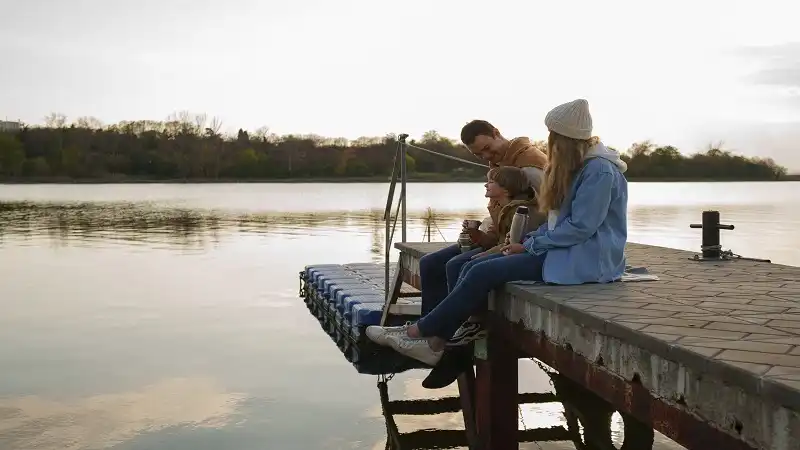
Fishing is more than catching fish. It is an opportunity to spend quality time with family, enjoy the beauty of nature, and create memories that last for years. Along the Gulf Coast of the United States, families can enjoy peaceful beaches, beautiful water, fresh air, and many fishing opportunities. Whether parents are experienced anglers or children are holding a fishing rod for the first time, a family fishing trip can be an exciting outdoor experience.
The idea of a thunder onthegulf fishing family adventure brings together the excitement of fishing and the happiness of spending time with loved ones. From fishing near the shore to exploring local piers and joining a guided boat trip, the Gulf Coast offers different ways to enjoy the water. With a little preparation, families can make their fishing trips comfortable, safe, and enjoyable for everyone.
Why Family Fishing Is a Special Experience
Family fishing provides a break from busy schedules, electronic devices, and everyday responsibilities. It allows parents and children to slow down, enjoy the outdoors, and focus on an activity together. Even when the fish are not biting, sitting beside the water and watching the waves can make the day worthwhile.
Fishing also gives children a chance to learn through experience. They can discover how fish live, understand the importance of clean water, and develop patience while waiting for a bite. Parents can use these moments to teach practical skills and encourage curiosity about the natural world.
Another benefit is that fishing can suit different ages and experience levels. Young children may enjoy simple fishing from a pier, while teenagers might prefer learning new techniques or exploring different fishing locations. Families can choose activities that match their interests, abilities, and available time.
Exploring the Gulf Coast for Family Fishing
The Gulf Coast is known for its sandy beaches, coastal communities, and variety of fishing environments. Depending on the location and local regulations, families may be able to fish from beaches, public piers, sheltered bays, or boats.
Orange Beach and Gulf Shores in Alabama are popular coastal destinations where visitors can enjoy outdoor recreation. Fishing opportunities vary by season, weather, water conditions, and local rules. Families should check access arrangements and current fishing regulations before choosing a location.
A public fishing pier can be an excellent starting point for beginners. It offers a stable place to cast a line without requiring a boat. Many piers also provide room to watch the water, observe other anglers, and enjoy the coastal scenery.
Beach fishing offers a different experience. Families can walk along the shoreline, look for suitable fishing spots, and enjoy the sound of the waves. However, changing tides, strong currents, and surf conditions require attention, particularly when children are present.
For families interested in a guided trip, a local fishing charter may offer a chance to learn from an experienced captain. Before booking, parents should ask about trip length, safety equipment, age requirements, and whether the planned outing is suitable for beginners.
Choosing the Right Fishing Spot
Choosing a suitable location can make a major difference to a family’s experience. Beginners generally benefit from accessible places where they can fish without dealing with complicated equipment or challenging water conditions.
Piers are often practical because families can bring a small amount of gear and remain on a firm surface. Before arriving, check whether fishing is permitted, whether an access fee applies, and whether the location has restrooms or nearby parking.
Shoreline fishing can be a good option for families who want flexibility. Children can enjoy walking along the beach, collecting observations about nature, and taking breaks between fishing attempts. Choose a safe area away from heavy boat traffic and rough surf.
Boat fishing can provide access to different waters, but it requires additional planning. Select a reputable operator, confirm the expected conditions, and make sure everyone has an appropriately fitted life jacket. A shorter trip may be more comfortable for young children or first-time anglers.
The best location is not necessarily the one with the biggest fish. It is the place where the whole family can enjoy the experience safely and comfortably.
Essential Fishing Gear for Beginners
Families do not need expensive equipment to get started. A basic fishing setup can be enough for a simple outing from a pier or shoreline.
A beginner-friendly rod and reel, suitable fishing line, hooks, weights, and a small tackle box are useful starting points. The equipment should match the intended fishing location and the species commonly found there. Local bait shops can often provide practical advice about appropriate tackle and bait.
A few additional items can make the day easier. Pack drinking water, snacks, sunscreen, hats, towels, and clothing suited to the weather. A small first-aid kit is also useful for minor scrapes or other everyday problems.
A cooler may help keep food and legally harvested fish at the appropriate temperature. Keep food separate from bait and fishing equipment, and follow safe food-handling practices.
Avoid bringing more gear than the family can comfortably manage. Children may become tired if the setup is too complicated, so a simple approach often works best for a first trip.
Teaching Children How to Fish
Introducing children to fishing should be enjoyable rather than demanding. Young anglers may lose interest if they have to wait too long or follow too many instructions. Start with simple tasks and allow them to learn at a comfortable pace.
Parents can demonstrate how to hold a rod, recognize a fishing bite, and reel in a line. Casting should be practiced in an open area where hooks cannot reach other people. Adults should handle sharp hooks and supervise children closely throughout the activity.
It is also important to explain that catching a fish is only one part of the experience. Children can enjoy spotting birds, watching small fish near the water, learning about tides, or keeping a simple record of what they observe.
Praise their effort and curiosity instead of focusing only on results. If the fish are not biting, take a break, explore the surroundings, or enjoy a snack together. These small moments can become some of the best memories of the trip.
Safety Rules Every Family Should Follow
Safety should always come before the size of a catch or the length of a fishing session. Coastal conditions can change quickly, and even experienced adults need to remain alert.
Check the weather forecast before leaving home. Thunderstorms, strong winds, lightning, and rough water can make fishing dangerous. If thunder is heard or lightning threatens the area, leave exposed beaches, piers, and open water promptly and seek appropriate shelter. Do not wait for the storm to arrive directly overhead.
Children should remain within an adult’s sight and reach whenever necessary. Establish clear boundaries and explain where they can walk, stand, and fish. On boats, everyone should follow the captain’s safety instructions and wear a properly fitted life jacket as required.
Watch for slippery surfaces, sharp hooks, exposed rocks, and changing tides. Wear shoes that provide suitable grip and avoid entering unfamiliar water. Keep a safe distance from other anglers when casting to prevent accidental injuries.
Sun protection matters even on cloudy days. Use sunscreen, wear protective clothing, drink water regularly, and take breaks in the shade when possible.
Understanding Local Fishing Rules
Fishing regulations help protect fish populations and preserve coastal environments for future generations. Requirements can differ depending on the state, location, species, and fishing method.
Before a trip, check whether a fishing license is required. Some locations or categories of anglers may qualify for exemptions, while others must obtain the appropriate license. Do not assume that fishing from a public pier or beach automatically removes this requirement.
Regulations may also establish minimum fish sizes, daily catch limits, seasonal restrictions, and rules for protected species. Families should learn how to identify their target fish and carry a measuring tool when necessary.
If a fish is undersized, protected, or not intended to be kept, release it carefully according to local rules. Use suitable equipment, minimize handling, and return the fish to the water promptly whenever release is required or appropriate.
Following these guidelines helps families enjoy fishing responsibly while supporting healthy marine ecosystems.
Best Time of Year for Gulf Coast Fishing
Fishing conditions can change throughout the year, so choosing the right season depends on the family’s goals. Spring and fall may offer comfortable temperatures for outdoor activities, although weather and fish activity vary by location and species.
Summer can be a popular time for family vacations because children often have school breaks. However, high temperatures and strong sunlight can make midday fishing uncomfortable. Starting early in the morning or choosing a cooler part of the day can help everyone enjoy the experience.
Winter fishing may also be possible in some coastal areas, depending on local conditions and the species available. Families should check temperatures, wind conditions, and access information before making plans.
There is no single perfect time for every fishing trip. Checking local fishing reports and weather forecasts can help families choose a suitable day and prepare for changing conditions.
Making Fishing Fun Beyond Catching Fish
A successful family fishing trip does not have to depend on how many fish are caught. Planning a few additional activities can keep everyone entertained and make the day enjoyable for people with different interests.
Children can bring a notebook to record the fish they see, draw pictures of coastal wildlife, or learn to identify common birds. Parents can explain how tides affect the shoreline and why some marine animals live in particular environments.
Families can also pack a picnic, take photographs, or enjoy a walk along the beach after fishing. These activities create opportunities to relax together without putting pressure on anyone to catch something.
The thunder onthegulf fishing family concept can be understood as a celebration of shared outdoor experiences, where fishing becomes a way to bring different generations together. Parents, children, and grandparents can all contribute by sharing stories, helping with simple tasks, and enjoying the surroundings.
Protecting the Gulf Coast Environment
Healthy coastal environments are important for fish, wildlife, and the people who enjoy spending time near the water. Families can help protect these places by following a few responsible habits.
Always collect fishing line, hooks, bait containers, food wrappers, and other rubbish before leaving. Discarded fishing line can entangle birds and marine animals, while plastic waste can remain in the environment for a long time.
Avoid disturbing wildlife or damaging sensitive coastal vegetation. Follow posted instructions in protected areas and use designated access paths whenever possible.
Families should also avoid keeping more fish than they can legally and safely use. Following catch limits and releasing fish properly when required helps support sustainable fishing.
Teaching children these habits encourages respect for nature. It also shows them that enjoying the outdoors comes with a responsibility to protect it for other visitors and future generations.
Planning a Stress-Free Family Fishing Day
Good planning can prevent small problems from spoiling an outing. Start by choosing a location that matches the family’s experience level, travel time, and budget. Check parking arrangements, fishing access, local rules, and available facilities before setting off.
Prepare equipment the night before so there is enough time to check rods, reels, bait, and other supplies. Pack food and water, and bring spare clothes for children in case they get wet.
Keep the schedule flexible. A short fishing session followed by a beach walk may be more enjoyable than spending the entire day at one spot. Young children may need frequent breaks, while older family members may prefer a comfortable place to sit.
It is also sensible to have a backup plan if weather conditions change. A coastal visitor center, indoor activity, or relaxed family meal can provide an alternative when fishing is not safe or practical.
Most importantly, agree that the purpose of the trip is to spend time together. A relaxed attitude helps everyone enjoy the day, even if the fish are not cooperating.
Conclusion
Family fishing along the Gulf Coast offers a wonderful combination of outdoor recreation, learning, and quality time together. From accessible fishing piers and sandy shorelines to carefully planned boat trips, families can choose experiences that suit their needs and abilities.
The best thunder onthegulf fishing family experience is built on preparation, patience, safety, and respect for nature. Children can develop useful skills, parents can enjoy a break from everyday routines, and everyone can create lasting memories beside the water.
By choosing suitable locations, checking local regulations, preparing basic equipment, and watching weather conditions, families can make fishing trips more comfortable and rewarding. Whether the day brings a memorable catch or simply a peaceful afternoon by the sea, the real value lies in sharing the experience and enjoying time together.